
frosted glass types
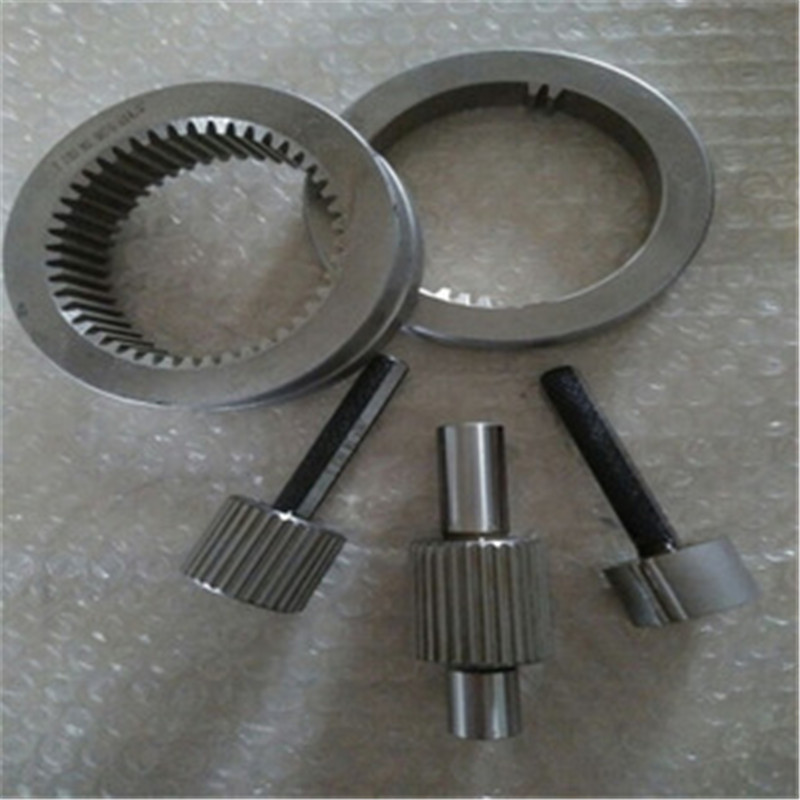
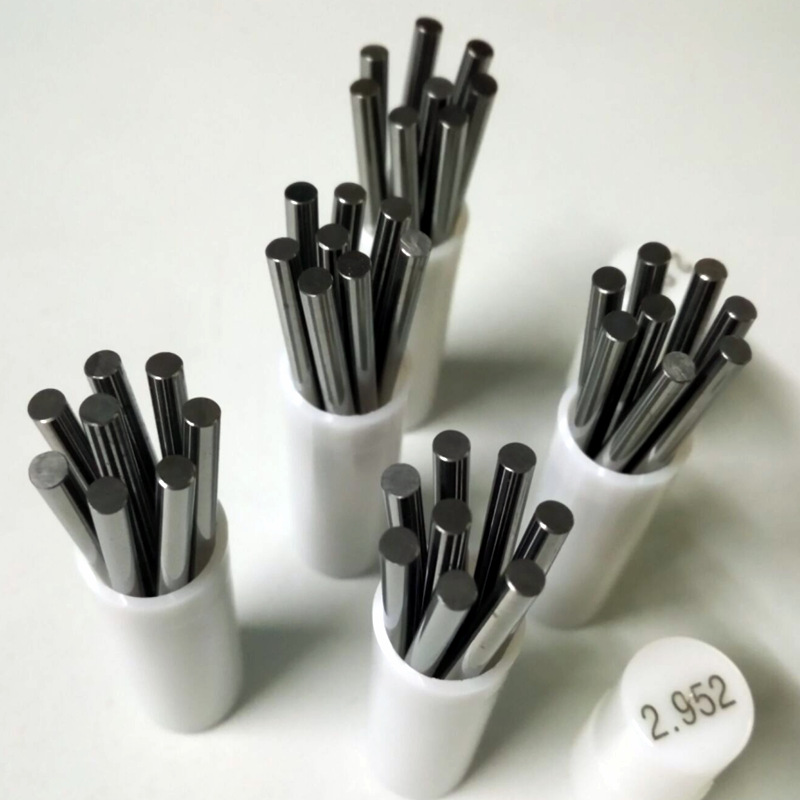
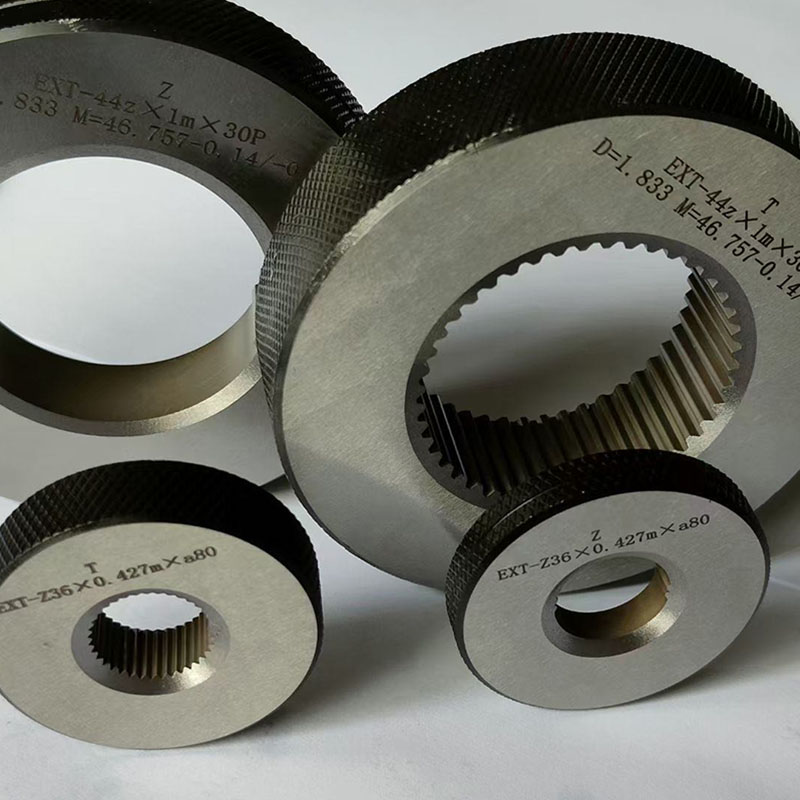
Gauge a Brugere Plug Gauge e Ring Gauge Il controllo dimensionale è un aspetto fondamentale in molti settori industriali, specialmente nella lavorazione dei metalli e nella produzione di componenti meccanici. Tra gli strumenti utilizzati per garantire la precisione delle dimensioni ci sono i gauge, in particolare il plug gauge e il ring gauge. Questi strumenti svolgono un ruolo cruciale nel garantire che le parti prodotti rispettino le tolleranze specificate nel progetto. Cosa Sono i Plug Gauge e i Ring Gauge Il plug gauge è uno strumento di misura utilizzato principalmente per controllare il diametro interno dei fori. Ha la forma cilindrica e viene progettato con tolleranze specifiche; il suo scopo principale è quello di verificare se un foro è entro le dimensioni tollerate. I plug gauge possono essere classificati in due tipi go (buono) e no-go (non buono). Il plug go deve passare facilmente attraverso il foro, mentre il no-go non deve passare. Questo sistema di verifica assicura che il foro non sia troppo grande o troppo piccolo rispetto alla dimensione desiderata. D'altra parte, il ring gauge è utilizzato per misurare il diametro esterno degli oggetti cilindrici, come alberi o perni. Anche in questo caso, il ring gauge è dotato di segni go e no-go. Un anello go dovrebbe calzare perfettamente attorno all'oggetto da misurare, mentre l'anello no-go non dovrebbe adattarsi. Questo strumento è essenziale per garantire che le parti siano compatibili tra loro, specialmente in applicazioni dove il montaggio e l'accoppiamento sono critici. Importanza nei Processi Produttivi plug gauge and ring gauge L'utilizzo di plug e ring gauges è fondamentale in contesti produttivi dove la precisione è di vitale importanza. Ad esempio, nei settori automotive e aerospaziale, dove anche la minima deviazione dimensionale può portare a fallimenti catastrofici, l'uso di questi strumenti di verifica è non solo raccomandato, ma spesso necessario per il collaudo finale delle parti prodotte. In aggiunta, l'uso di gauges aiuta a ridurre i costi di produzione. Infatti, identificando rapidamente le parti non conformi, gli operatori possono intervenire tempestivamente nel processo produttivo, evitando di creare un numero elevato di componenti difettosi. Questo approccio non solo migliora l'efficienza produttiva, ma contribuisce anche a mantenere alta la qualità del prodotto finale. Materiali e Manutenzione I plug e ring gauges sono generalmente realizzati in acciaio di alta qualità per resistere all'usura e garantire durevolezza. Tuttavia, anche i migliori strumenti di misura possono perdere precisione nel tempo a causa di fattori come l'usura, la corrosione o danni accidentali. Per questo motivo, è fondamentale seguire un programma di manutenzione regolare, che comprenda la calibrazione e l'ispezione periodica degli strumenti. Conclusione In sintesi, i plug e i ring gauges rivestono un'importanza critica nella misurazione dimensionale e nel controllo della qualità nelle industrie manifatturiere. Questi strumenti non solo aiutano a garantire che i prodotti rispettino le specifiche tecniche, ma contribuiscono anche a ottimizzare i processi produttivi, riducendo gli sprechi e aumentando la soddisfazione del cliente. Con l'evoluzione della tecnologia e della progettazione, il futuro della misura dimensionale sembra promuovere strumenti sempre più precisi e innovativi, ponendo una crescente enfasi sull'importanza della qualità e della precisione nei processi industriali.
about
frosted glass types
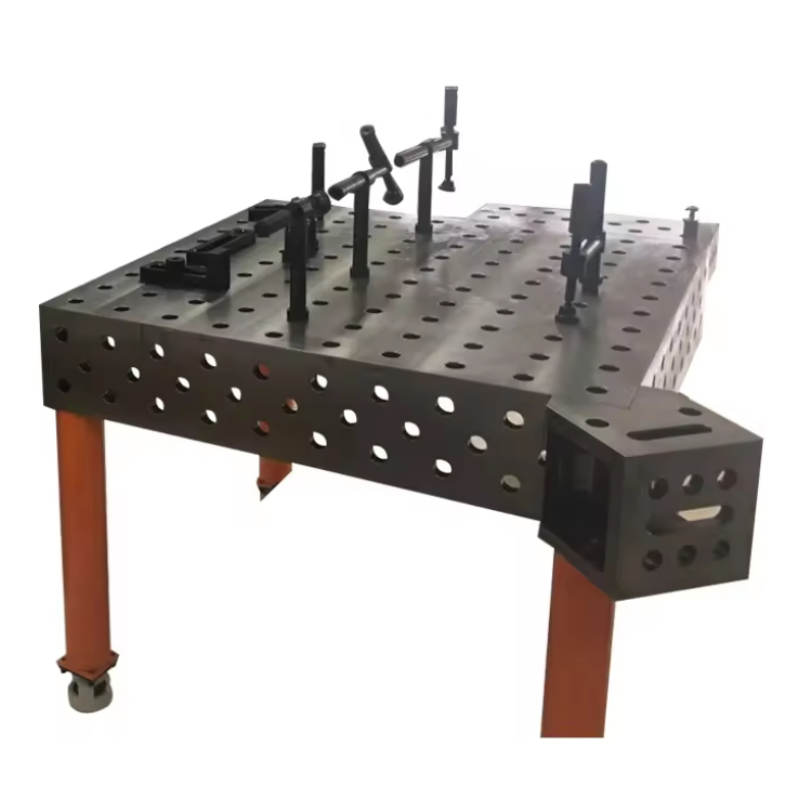
Metal Corner Connections A Crucial Aspect of Structural Integrity In the realm of construction and engineering, metal corner connections play a pivotal role in ensuring the structural integrity and stability of various structures. These connections are the points where two or more metal elements meet, and they are subjected to significant stress and strain due to external forces such as wind, earthquakes, and vibrations. Therefore, it is essential to understand the design, fabrication, and maintenance of these connections to prevent potential failures and ensure the longevity of the structure. One of the primary factors that influence the performance of metal corner connections is the type of joint used. There are several types of joints, including welded, bolted, and riveted joints, each with its own advantages and disadvantages. For instance, welded joints provide a high degree of strength and rigidity but may be more susceptible to corrosion. On the other hand, bolted joints are relatively easy to assemble and disassemble but may not offer the same level of strength as welded joints. Another critical aspect of metal corner connections is the material selection. The choice of material depends on factors such as the specific application, environmental conditions, and required strength and durability. For example, stainless steel is commonly used in marine environments due to its excellent corrosion resistance, while aluminum is preferred for its lightweight properties and high strength-to-weight ratio For example, stainless steel is commonly used in marine environments due to its excellent corrosion resistance, while aluminum is preferred for its lightweight properties and high strength-to-weight ratio For example, stainless steel is commonly used in marine environments due to its excellent corrosion resistance, while aluminum is preferred for its lightweight properties and high strength-to-weight ratio For example, stainless steel is commonly used in marine environments due to its excellent corrosion resistance, while aluminum is preferred for its lightweight properties and high strength-to-weight ratio metal corner connections . Fabrication techniques also play a crucial role in the performance of metal corner connections. Proper cleaning, preparation, and finishing of the metal surfaces are essential to ensure a strong bond between the components. Additionally, the use of advanced joining techniques such as friction stir welding or laser welding can further enhance the strength and reliability of the connection. Regular maintenance and inspection are also critical to the longevity of metal corner connections. It is important to regularly inspect the connections for signs of wear, corrosion, or damage and to take appropriate measures to address any issues promptly. This may include cleaning and coating the connections to protect them from the environment or replacing damaged components before they fail. In conclusion, metal corner connections are a vital component of structural integrity in construction and engineering projects. By considering factors such as joint type, material selection, fabrication techniques, and maintenance, engineers can design and construct stronger, more reliable structures that withstand the rigors of various environmental conditions and operational loads.
-

High quality industrial productsagement

High quality industrial products
View Details -

Meet the diverse needs of customers

Meet the diverse needs of customers
View Details -

Strict quality control

Strict quality control
View Details -

Top raw materials

Top raw materials
View Details -

Trusted supplier

Trusted supplier
View Details
Our application
news and information
Wooden frame construction with truss plates and nails for added structural support.
Wood frame construction has been a popular building method for centuries, providing a versatile and
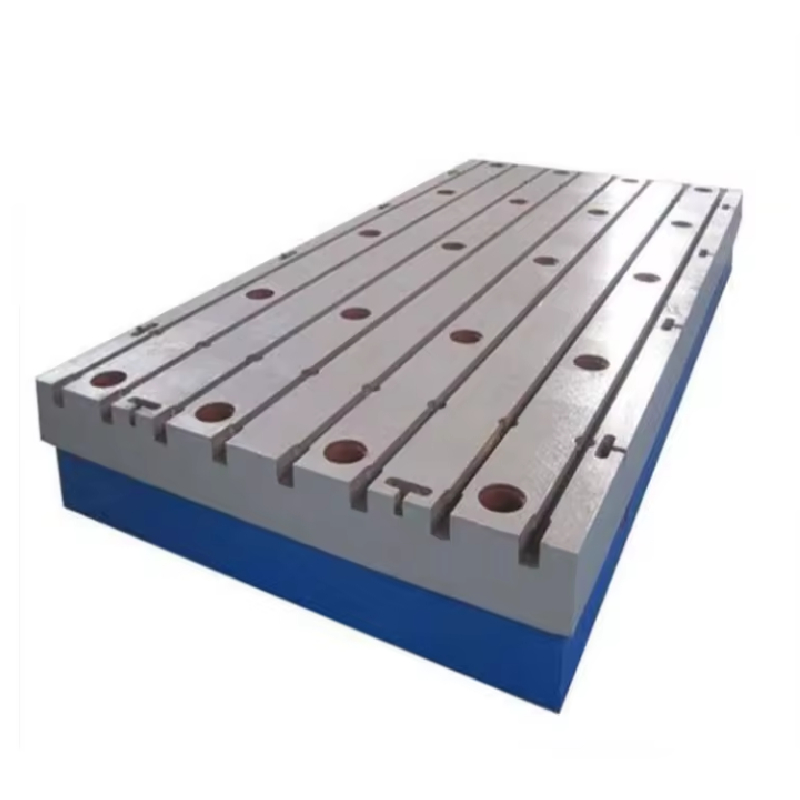
Welding Table Manufacturing Solutions from China for Reliable Performance and Quality
Welding Tables in China A Comprehensive Overview Welding tables are essential tools in the fabricati
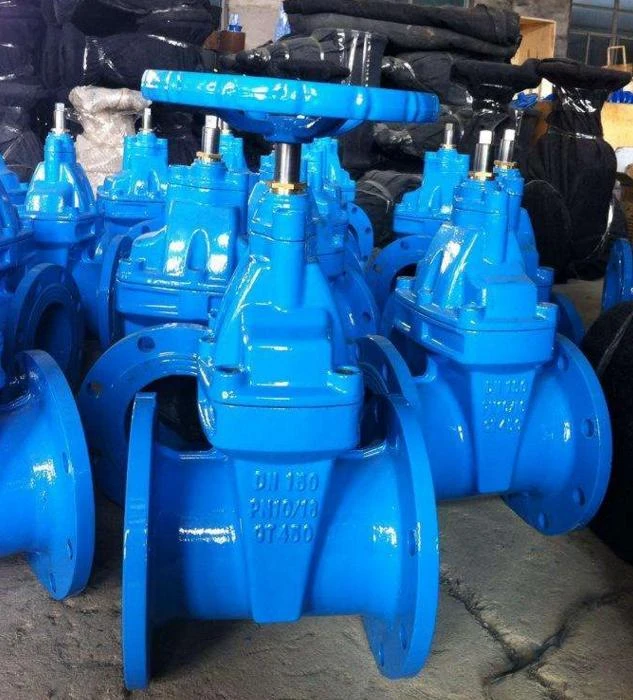
valve metal
The Significance of Valve Metals in Modern Technology Valve metals play a crucial role in various in
 English